Industry applications and equipment insights

Shredding Insights

Practical guidance on materials, process challenges and equipment selection across recycling industries.

Industry application library

Each material needs the right size-reduction strategy

Application articles organised by reference month
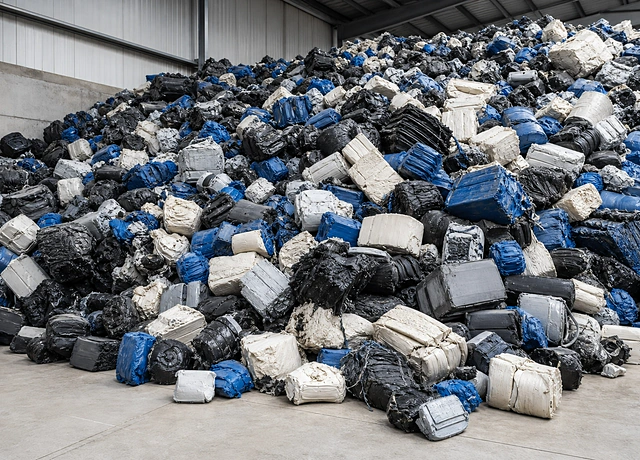
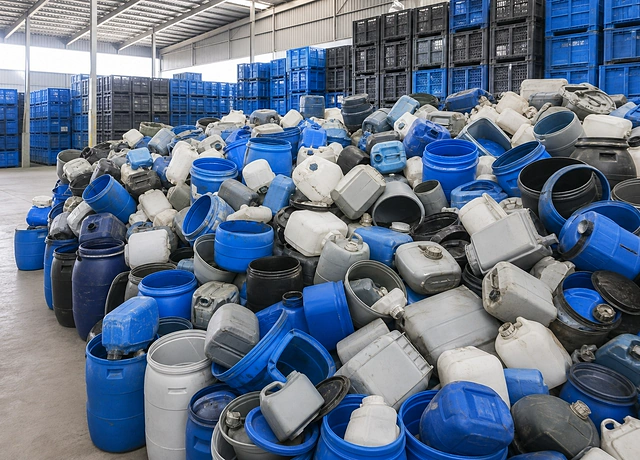
Used plastic barrels and turnover boxes waiting for recycling
plastic recycling

Check these four points before shredding plastic drums and crates

Confirm the single piece size, wall thickness, residue and target discharge, and then decide on the feed port, tool thickness, drive configuration and whether to set up a secondary crushing and cleaning module.

Read the full article →
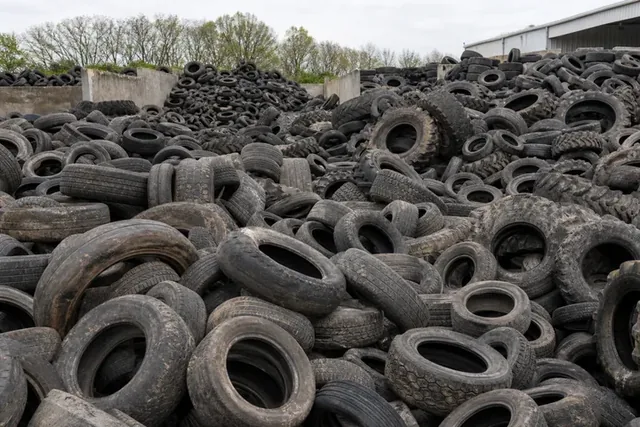
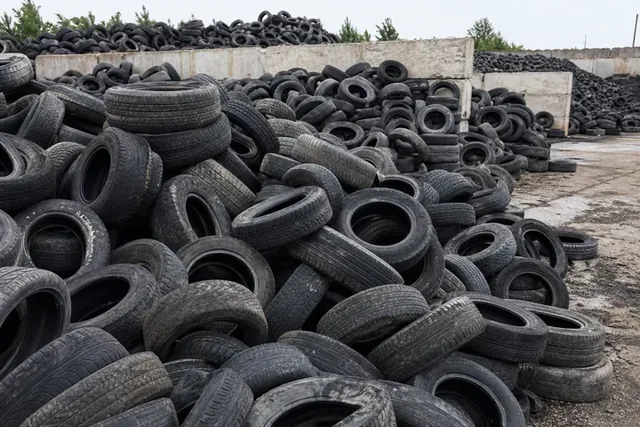
Mixed scrap tires waiting for processing in recycling yard
tire recycling

Why tire type must be identified before shredding

Car tires, truck and bus tires and engineering tires have obvious differences in size, bead wire and rubber structure. The feeding method, pretreatment equipment and shredder torque should be evaluated separately.

Read the full article →
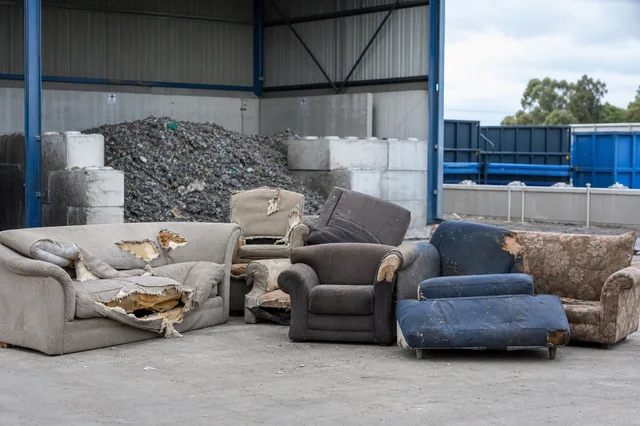
Used sofas awaiting disposal at city recycling points
domestic waste

How to build a stable bulky-waste line for sofas, mattresses and furniture

Bulky waste is often mixed with wood, fabric, sponge and metal. Reasonable connection of feeding, low-speed shredding, iron removal and sorting can help reduce entanglement and stabilize subsequent resource utilization.

Read the full article →
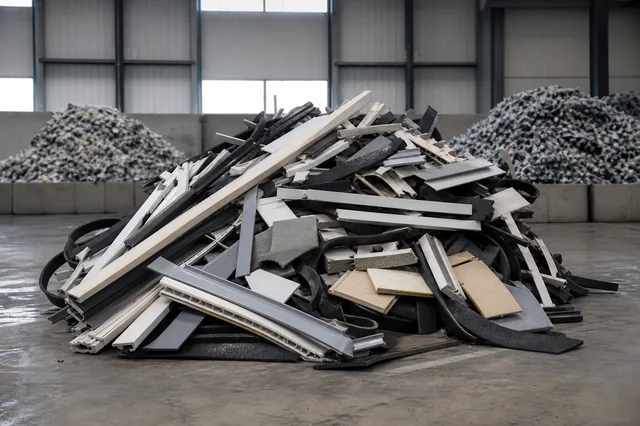
Leftovers from industrial production to be processed
Industrial solid waste

What to check before selecting a shredder for mixed industrial offcuts

Material composition, maximum size, impurity content and target discharge determine the tool structure, drive configuration and subsequent sorting route. Mixed material projects should first complete sample testing.

Read the full article →
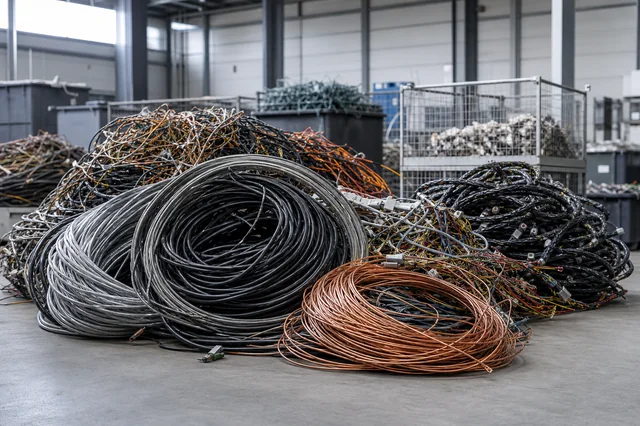
Centrally recycled waste wires and cables
electronic waste

Cable recycling is not about shredding as finely as possible

The discharge particle size needs to serve the subsequent sorting of copper, aluminum, plastic and other components. Excessive crushing will increase dust and energy consumption, and may also reduce sorting efficiency.

Read the full article →
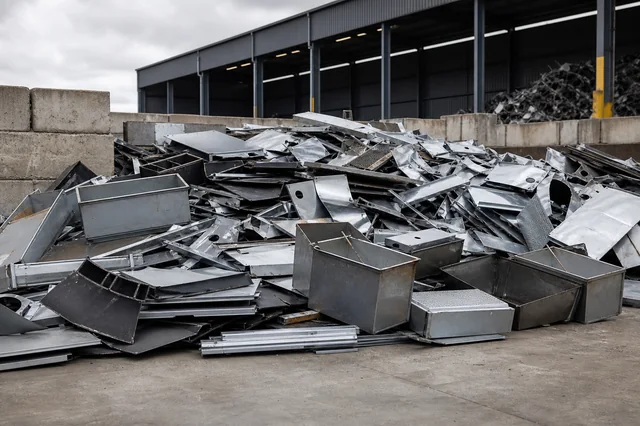
Thin scrap metal awaiting recycling
metal recycling

Why light-gauge and mixed metals need different shredding settings

Material thickness, bulk density and the proportion of mixed non-metals will affect the feed stability and equipment load. The entire line needs to be configured in conjunction with iron removal, sorting and finished product collection requirements.

Read the full article →
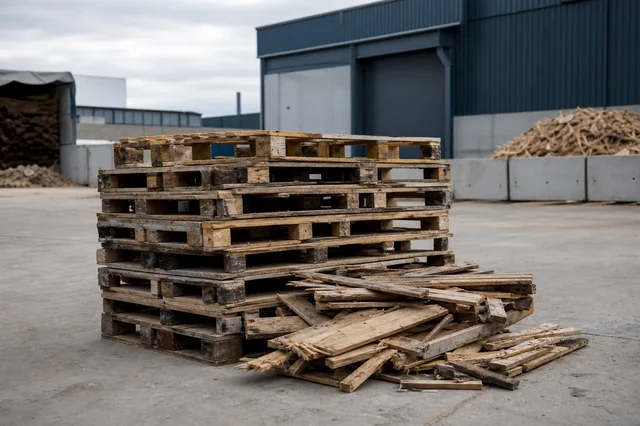
Used wooden pallets stacked in recycling yard
wood recycling

How to protect downstream equipment when shredding nailed wood pallets

The nails and connectors in wooden pallets need to be fully considered in the workmanship. After stable shredding, combined with magnetic separation and screening, it can create conditions for granulation, fuel or board feedstock preparation.

Read the full article →
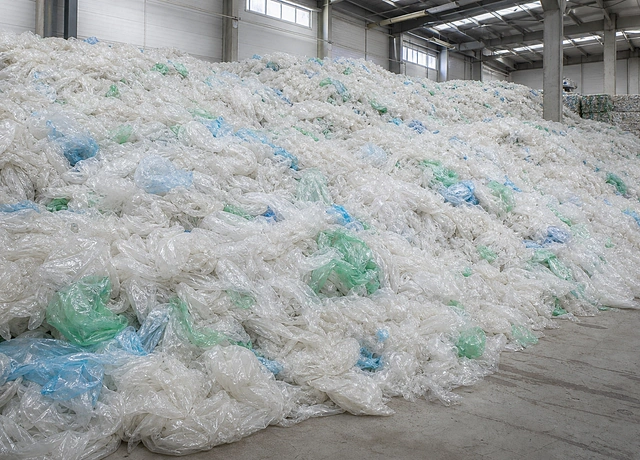
Waste plastic films packed and stacked
plastic recycling

What to solve first for continuous feeding of film and woven bags

The difficulty with soft plastics is not just breakage, but unstable feeding caused by fluffing, bridging and entanglement. Stable feeding is often more important than increasing instantaneous power.

Read the full article →
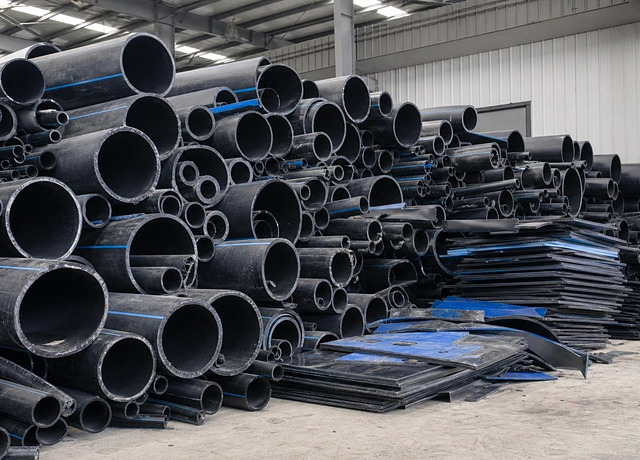
Waste PE plastic pipes waiting to be processed
plastic recycling

PE pipe and thick sheet: feed whole or cut to length first?

Pipe diameter, wall thickness and length together determine the feeding method. Cutting into sections first is not necessarily more efficient; the entire feed must also be constrained by the boundaries of the equipment.

Read the full article →
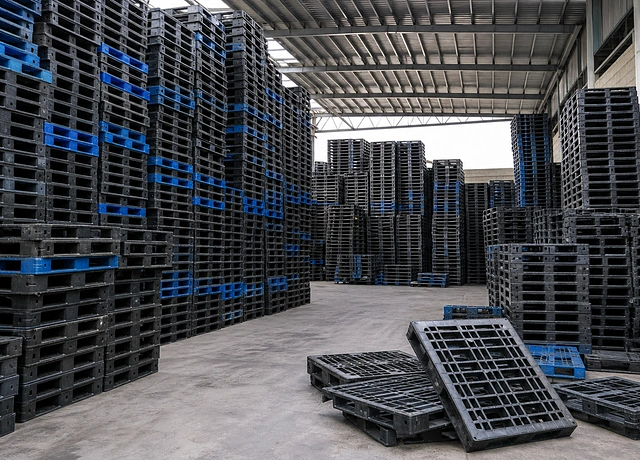
Centrally recycled waste plastic pallets
plastic recycling

Why hopper design for plastic pallets is more than length and width

Pallet rib position, stacking method and forklift loading rhythm will all affect the material bite. Hopper design also considers height, angle and bridging prevention.

Read the full article →
Used car bumpers awaiting recycling
plastic recycling

Recycling car bumpers: how to handle paint and metal fasteners

The bumper is large in size, high in toughness, and comes with paint, foam and metal clips. Sorting after pre-disassembly and crushing will directly affect the quality of recycled materials.

Read the full article →
Plastic machine heads and chunks in the recycling yard
plastic recycling

Do thick purge lumps and plastic blocks need pre-shredding?

The thickness, weight and cooling state of the bulk head material determine whether it can directly enter the shredder. The purpose of pre-breaking is to control the boundary rather than increase the process.

Read the full article →
Scrap car tires stacked in recycling yard
tire recycling

Must primary shredding fully remove steel from passenger-car tires?

The coarse crushing stage is mainly responsible for reducing the volume and releasing some steel wires. Whether the separation is complete depends on the subsequent target of rubber particles or rubber powder.

Read the full article →
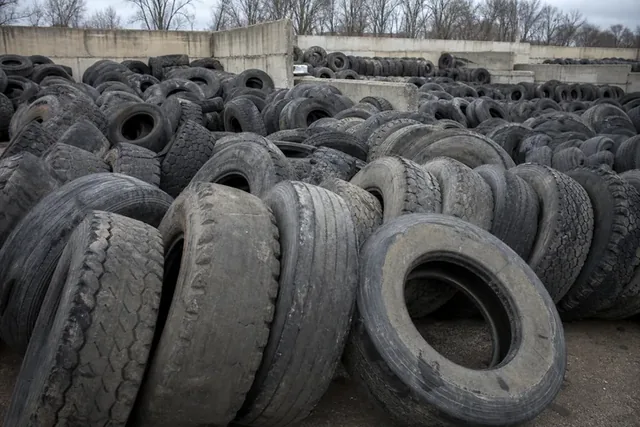
Used truck and bus tires awaiting disposal
tire recycling

How to pretreat truck and bus tires with heavy bead wire

The thickness of the bead wire and rubber of truck and bus tires is higher than that of car tires. Drawing, cutting or direct shredding should be selected according to the purpose of the entire line.

Read the full article →
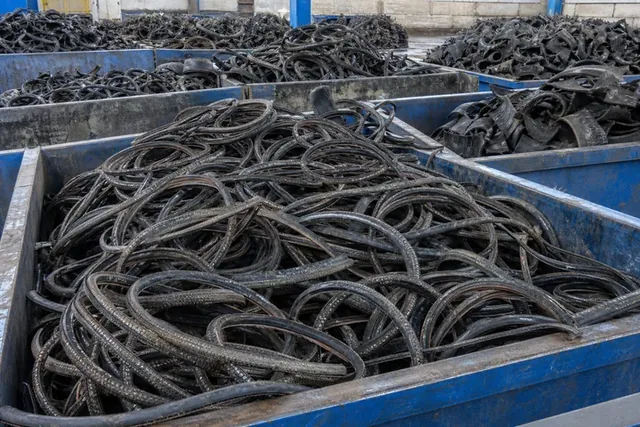
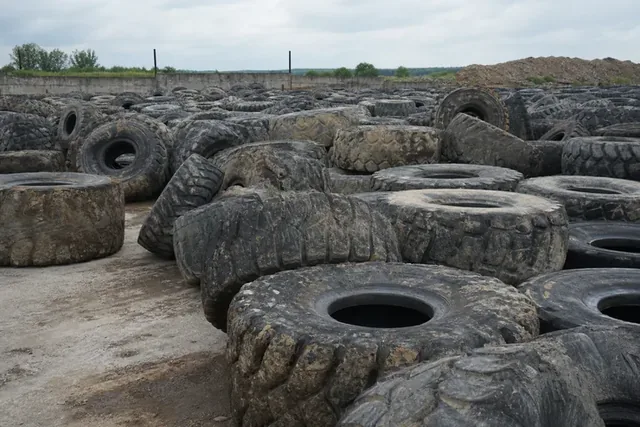
Large scrap tires after use by mining and construction vehicles
tire recycling

Why OTR tires usually require staged size reduction

The size and weight of engineering tires are much larger than ordinary tires, so hoisting, cutting and segmented crushing need to be considered as a complete system.

Read the full article →
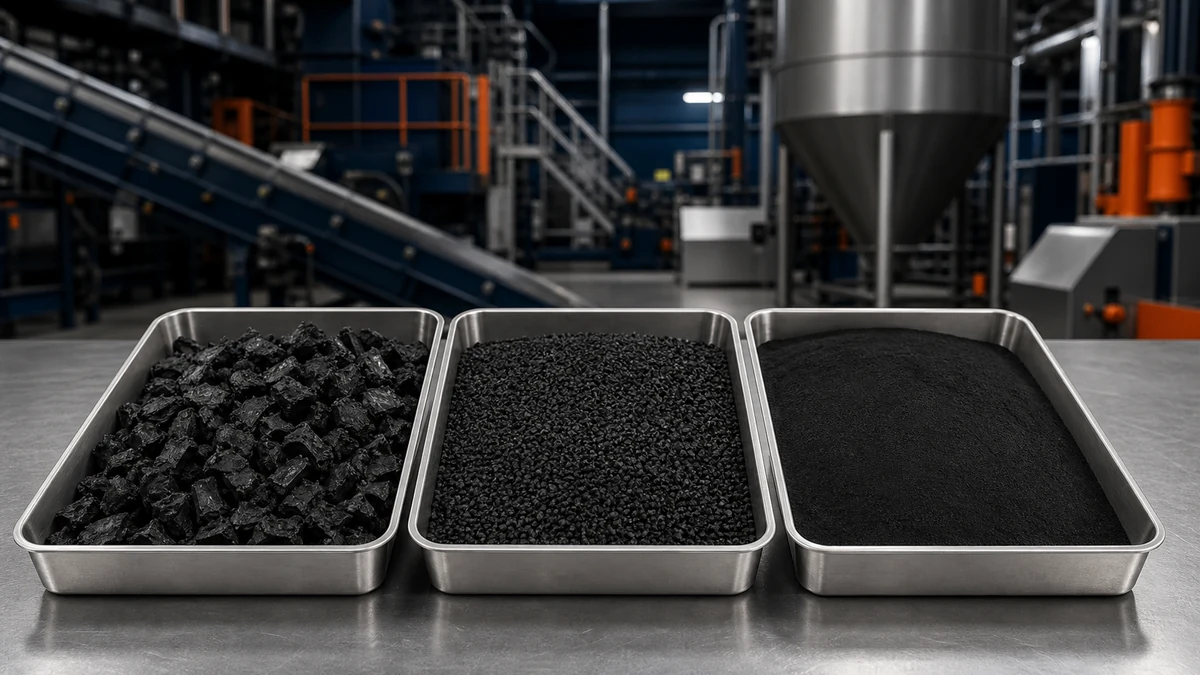
Beads and steel wire rubber blocks separated during tire processing
tire recycling

How to release bead wire without compromising rubber granule quality

Insufficient release of the bead wire will take away the rubber, and excessive fine crushing will increase energy consumption. The magnetic separation position and material return logic need to be coordinated.

Read the full article →
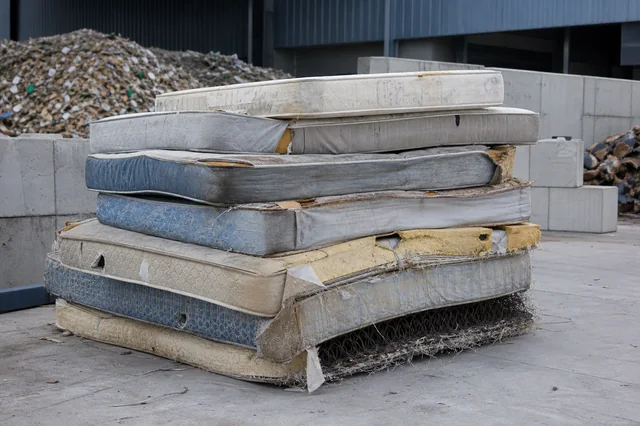
Rubber blocks, rubber granules and rubber powder products formed after recycling waste tires
tire recycling

From tire chips to granules and powder: why screen size is not enough

The final particle size is determined by multi-stage crushing, temperature rise, fiber separation and recycling, and the screen is only one of the control links.

Read the full article →
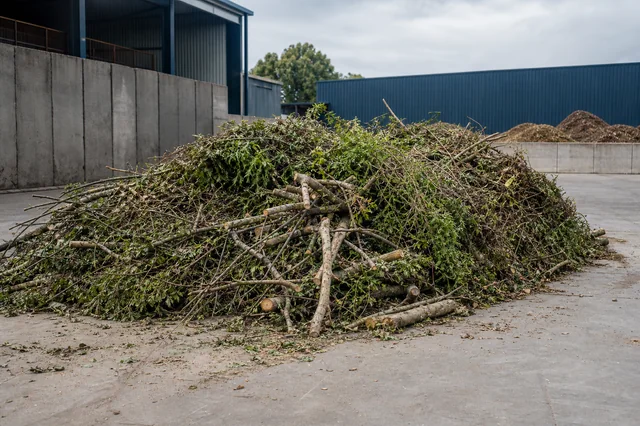
Used mattresses waiting to be processed in the bulky waste line
domestic waste

How to reduce downtime from mattress springs and fabric wrapping

Long steel wires, fabrics and sponges are all present in a mattress, as are anti-tangle construction, pre-disassembly and clearing of space.

Read the full article →
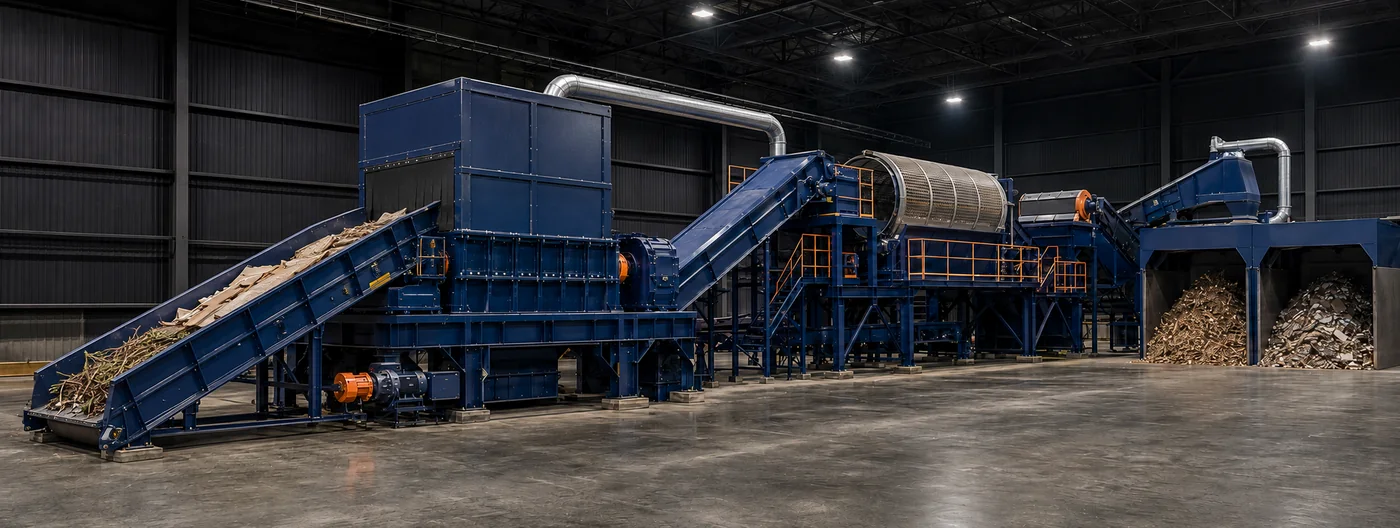
Centrally collected garden branches and green waste
domestic waste

How shredding and screening handle changing moisture in green waste

Fresh branches, dead branches and garden waste with sediment are in different states, and the moisture content will affect crushing, screening and storage.

Read the full article →

Municipal domestic waste and bulky waste comprehensive processing production line
domestic waste

Essential pre-sorting before shredding mixed municipal waste

Batteries, gas bottles, glass and large pieces of metal should not be relied on to be digested by the crusher. Pre-sorting determines safety and subsequent quality.

Read the full article →
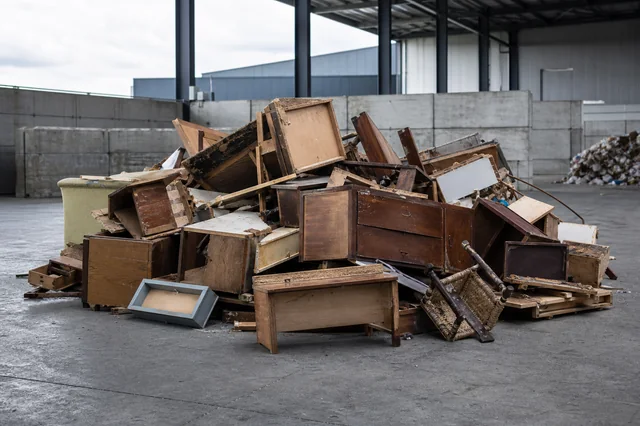
Unfold the sorted sheets, curtains and waste home textiles before entering the shredding section
domestic waste

Why long strips are the main risk when shredding textiles

The fabric itself is not stiff, but long strips, zippers, and mixed metal can cause tangling. The design of feed shaping and cutter shaft cleaning deserves more attention.

Read the full article →
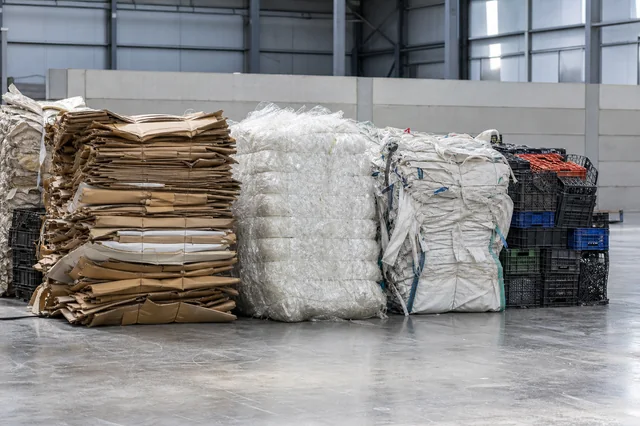
Concentrated piles of used furniture awaiting disposal
domestic waste

Where should the magnet go after bulky-waste shredding?

The location of magnetic separation depends on the degree of metal release, material layer thickness and downstream goals. Being close to the crusher does not necessarily work best.

Read the full article →
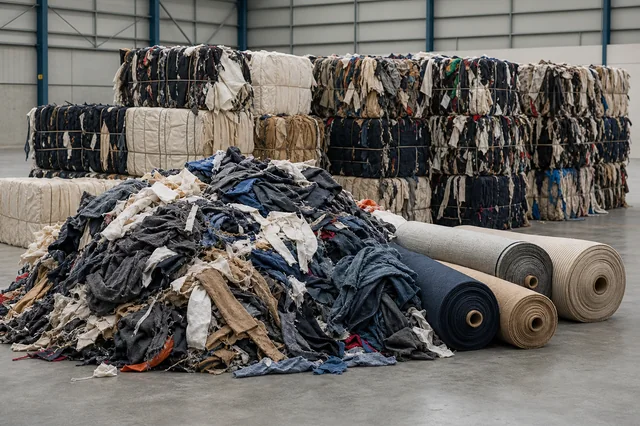
Waste packaging materials generated from industrial production
Industrial solid waste

Paper-plastic packaging: decide between recovery and volume reduction first

After the paper, plastic, aluminum film and residue are mixed, the equipment and discharge targets used in the recycling route and the volume reduction route are completely different.

Read the full article →
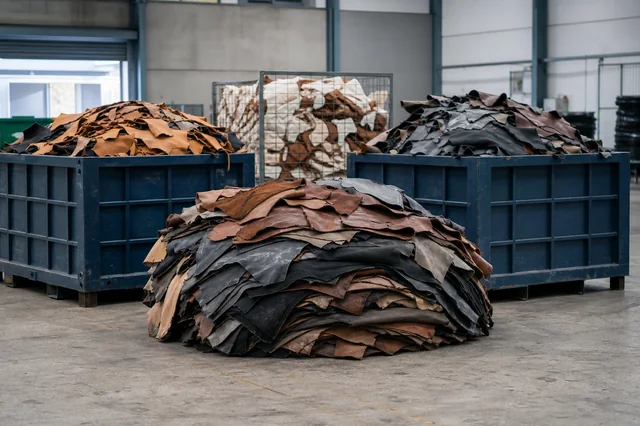
Fabric scraps from apparel and textile production
Industrial solid waste

Why uniform garment offcuts still wrap around shredder shafts

Regular cloth strips will form long bundles after batch loading. Fiber strength, winding state and metal attachments determine the performance of the equipment.

Read the full article →
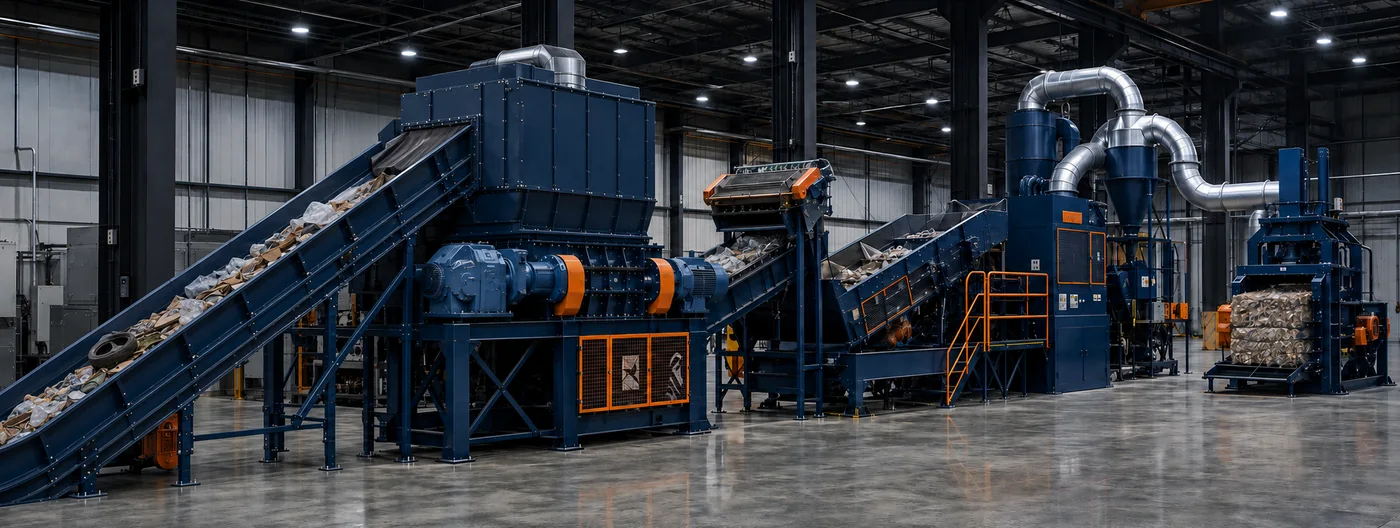
Industrial scraps from leather and shoe production
Industrial solid waste

Why tough leather offcuts can still damage cutting tools

Leather, synthetic leather and composite shoe materials combine toughness, fiber layers and adhesives, and cutting heat and winding need to be controlled at the same time.

Read the full article →
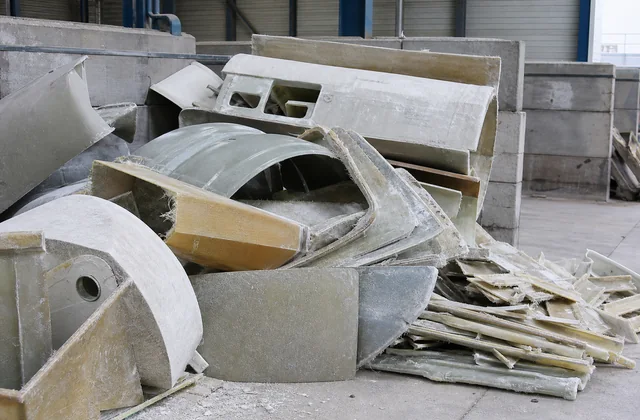
Industrial solid waste crushing and sorting production line equipment
Industrial solid waste

How to control rebound and heat when shredding rubber sheet and seals

The density, hardness and reinforcement layer of industrial rubber vary greatly. Low-speed cutting, cooling and stable discharge are more important than high-speed impact.

Read the full article →
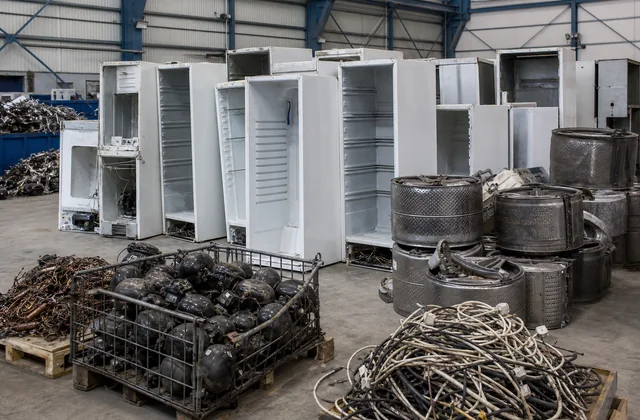
Fiberglass composite panels and molded leftovers awaiting volume reduction treatment
Industrial solid waste

How to estimate wear and dust when shredding glass-fibre composites

Glass fiber reinforced plastic is not an ordinary hard plastic. Highly abrasive fibers and resin dust will significantly change the equipment and dust removal configuration.

Read the full article →
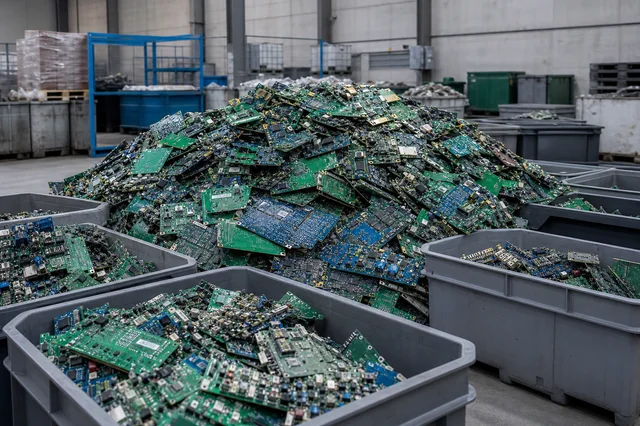
Household appliance shells, rollers, compressors and cables arranged in categories after safe disassembly
electronic waste

Which components must be removed before shredding waste appliances?

Batteries, refrigerants, compressors and liquid-containing parts require professional disposal. Mechanical crushing can only handle materials after safe disassembly.

Read the full article →
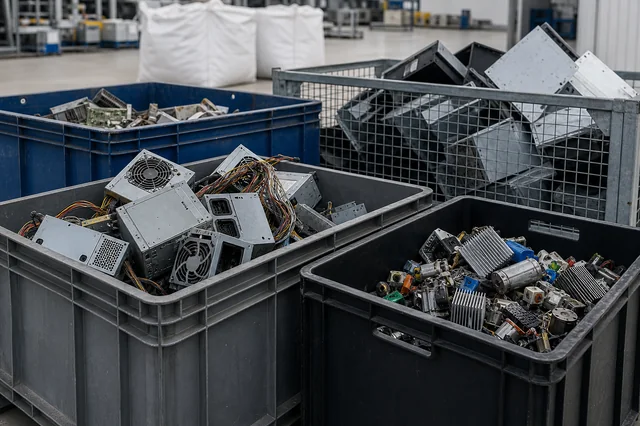
Centrally recycled waste electronic circuit boards
electronic waste

Why PCB recycling should not aim for fine powder immediately

Circuit boards contain metal, resin and glass fiber. Excessive fine crushing will increase dust and sorting burden, so the design should be centered around the dissociation particle size.

Read the full article →
Disassembled plastic casings and parts of electronic products
electronic waste

How flame retardants and metal inserts affect plastic electronics housings

Electronic plastics may contain flame-retardant formulas, coatings and metal nuts. Material identification and disassembly determine the recycling boundaries.

Read the full article →

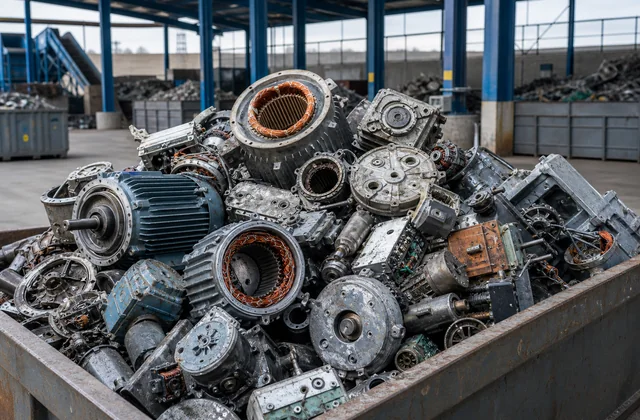
Scrap motor copper wire stator and gearbox awaiting dismantling and metal recycling
electronic waste

Waste motors and electronic metal parts: dismantle or shred?

The value of copper wire, iron core and aluminum shell is related to the dissociation method, and the degree of pre-disassembly needs to be combined with labor, output and product requirements.

Read the full article →
Waste electronic products that need to be sorted and dismantled
electronic waste

Why lithium-battery e-waste must not enter a standard shredding line

Lithium batteries may suffer from thermal runaway if they are squeezed, short-circuited or damaged, and identification, removal and special safety processes must be adopted.

Read the full article →
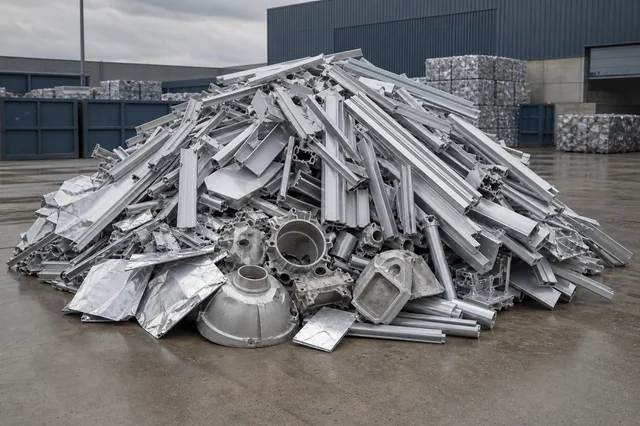
Classified and stacked scrap aluminum materials and aluminum products
metal recycling

How to reduce ferrous contamination when shredding aluminium profiles

Screws, steel cores and accessories in aluminum materials will affect the quality of the finished product, and the disassembly, crushing release and magnetic separation require continuous cooperation.

Read the full article →
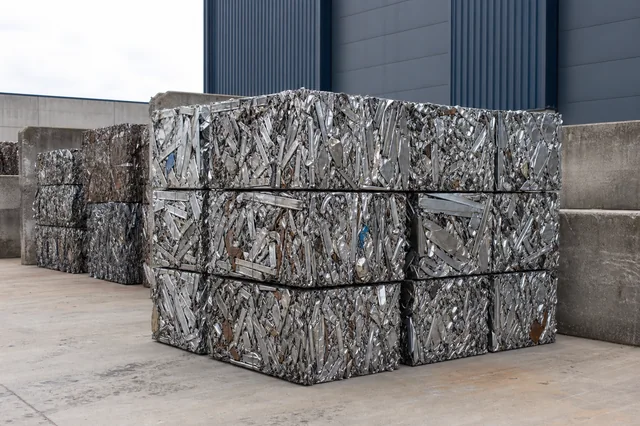
Scrap metal briquettes awaiting further processing
metal recycling

Metal bales: open first or feed directly into the shredder?

The density of the briquettes, the bundling method and the unknown contents inside determine the risk of feeding. Checking and loosening the bales first is often more reliable than forcing a bite.

Read the full article →
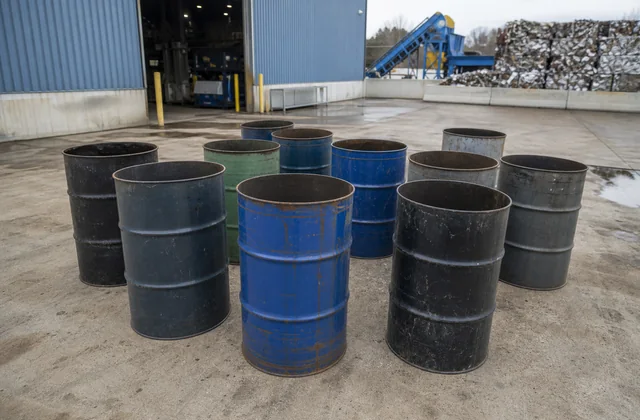
Scrap drums awaiting volume reduction after emptying and inspection
metal recycling

Why emptying and venting steel drums matters more than shredder power

Closed containers and residual liquids are the primary risks. Only after confirming the source, emptying, cleaning and opening holes can we proceed to mechanical volume reduction.

Read the full article →
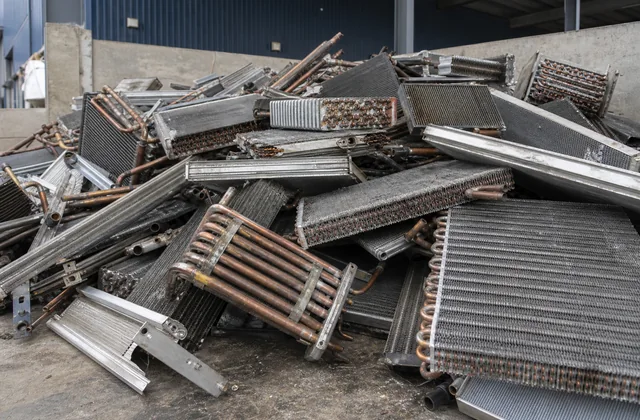
Waste copper tubes and aluminum fins waiting for crushing, dissociation and winnowing
metal recycling

Copper-aluminium radiator separation: matching particle size to air sorting

Copper tubes, aluminum fins and steel frames need to be dissociated first, and then magnetic separation and winnowing are completed under suitable particle size and material layer.

Read the full article →
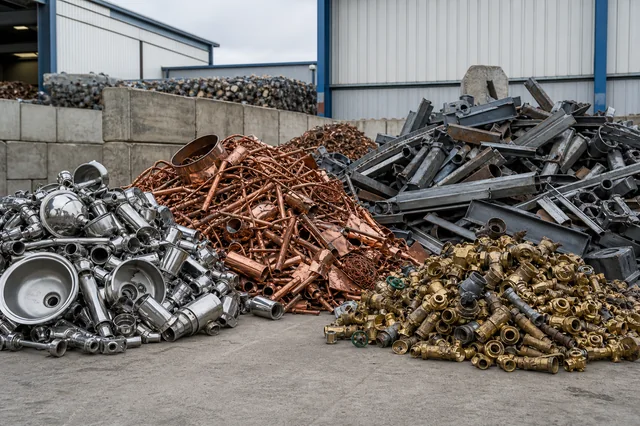
Copper and aluminum mixed scrap metal waiting to be sorted
metal recycling

Mixed copper and aluminium: decide between liberation and shape retention

Some materials need to be broken and dissociated, while others are more suitable for maintaining larger shapes for sorting. The target product determines the process.

Read the full article →
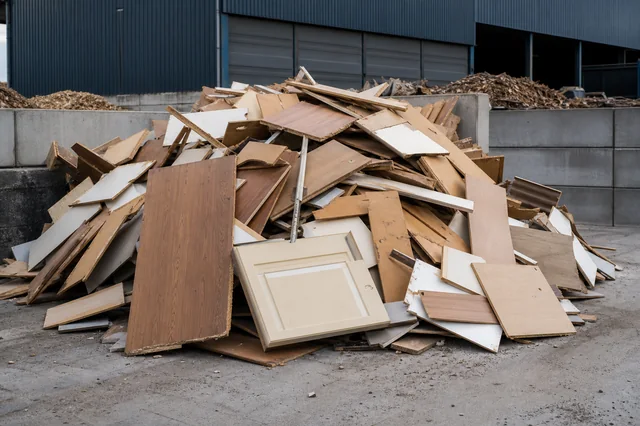
Waste furniture panels awaiting recycling
wood recycling

How can chips from bonded and laminated furniture board be reused?

Particle board, density board and film-coated board have different glue contents, and the use of the finished product should be confirmed before equipment selection.

Read the full article →
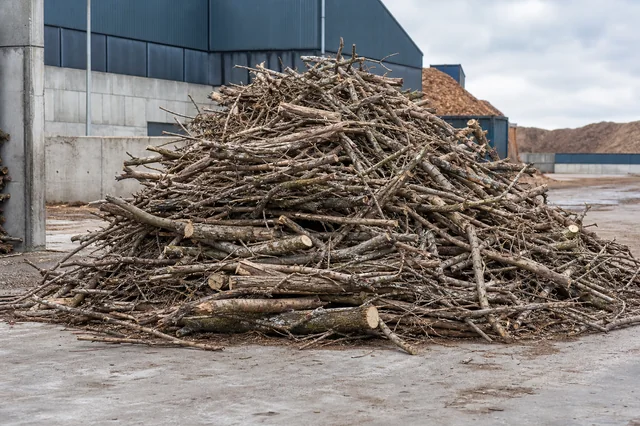
Branches and woody waste from garden maintenance
wood recycling

Wood chipper or shredder for branches: how to choose

The feeding status of regular logs and messy branches is different. The shape of the target wood chips and the inclusion of debris determine the equipment route.

Read the full article →
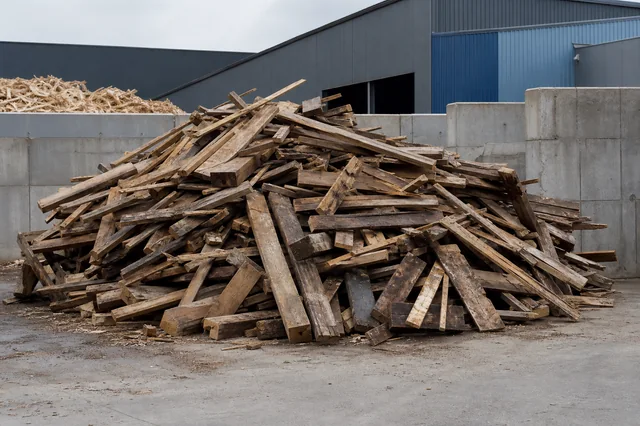
Waste construction wood from demolition and construction
wood recycling

How many magnetic separation stages for demolition wood with nails and grit?

The nails need to be released from the wood first and then gradually removed through one or more magnetic separations. Sediment will also affect equipment wear.

Read the full article →
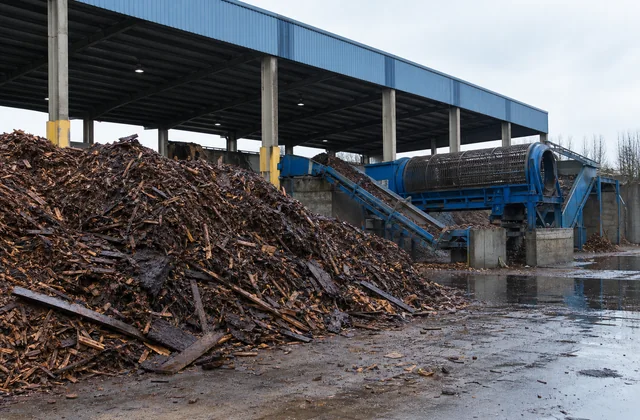
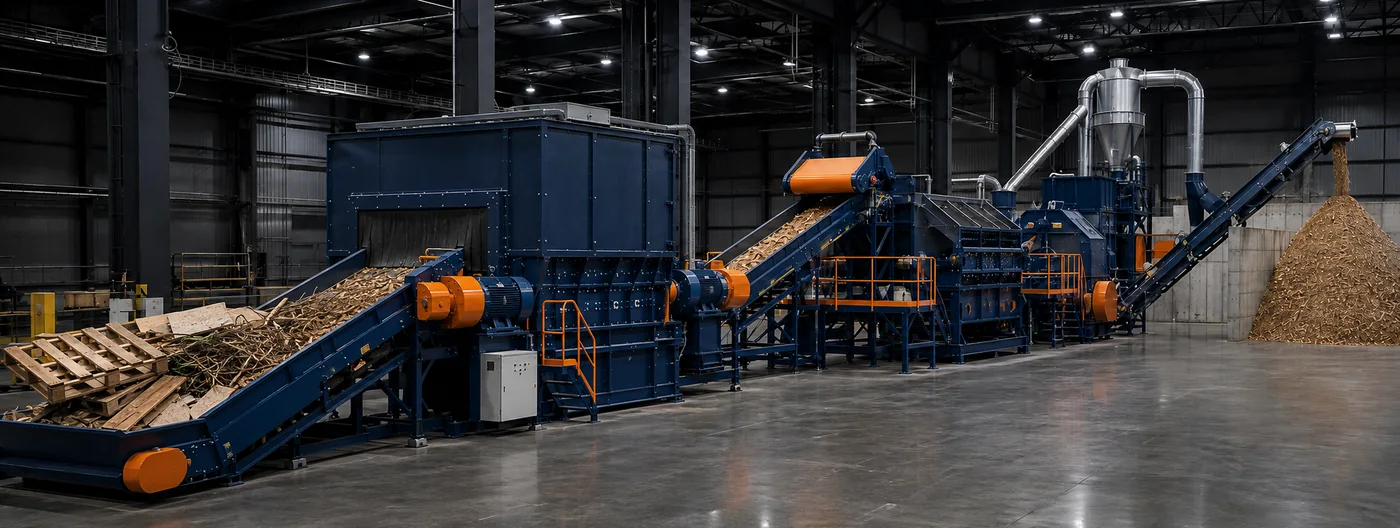
Waste wood shredding and wood chip production line
wood recycling

Controlling biomass chip size: the screen is only part of the answer

The feed wood species, moisture content, tool status and return ratio jointly determine the distribution of wood chips, and the screen can only complete the final limit.

Read the full article →
Wet waste wood waiting for roller screening in a wood recycling yard after rain
wood recycling

Low screening efficiency with wet wood: is the screen really at fault?

Moisture content, sediment, fiber morphology and feed thickness will all cause sticking and should be judged from the entire process.

Read the full article →
Industry data archive

Starting from material issues, record the real equipment application logic

The content is organized month by month around material characteristics, processing difficulties, equipment selection, production line connection and finished product direction, making it easy to find evaluation ideas for crushing projects by industry.

Submit the materials you want to know about